
How to Treat Acne on Oily Skin: Best Routine + Best iHerb Products
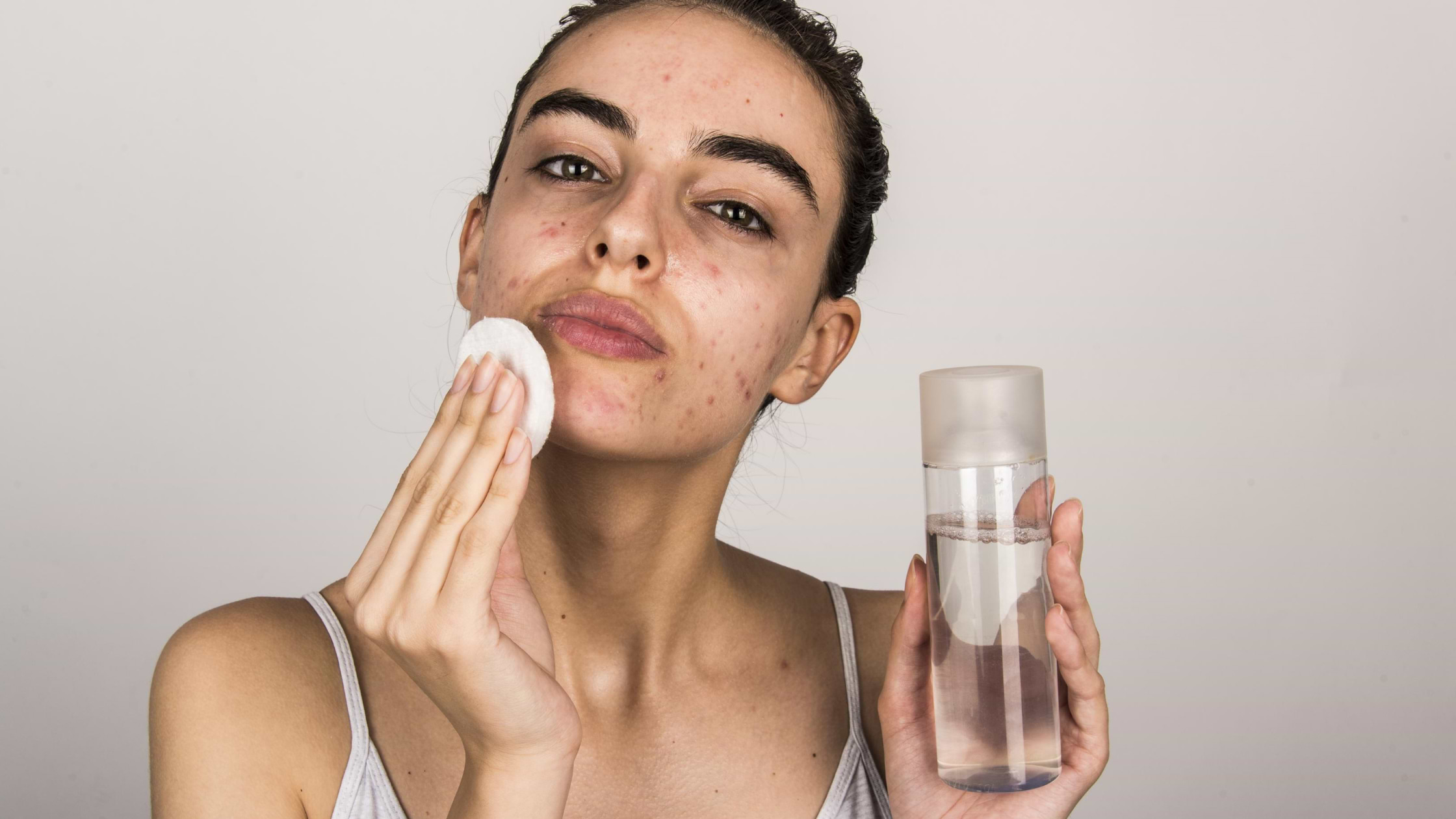
If you have oily skin, acne can feel like a constant cycle. Your skin produces excess sebum, pores get clogged more easily, and breakouts can show up again and again—especially around the forehead, nose, chin, and jawline. The good news is that oily, acne-prone skin usually responds well to a simple routine built around the right ingredients. Salicylic acid helps unclog pores, benzoyl peroxide can target acne-causing bacteria, and lightweight non-comedogenic moisturizers help support the skin barrier without making skin feel greasy.
A common mistake is trying to “dry out” oily skin with harsh products. That often backfires. When the skin barrier becomes irritated, skin can feel tighter, redder, and sometimes even oilier. A better approach is to use a balanced routine: a breakout-focused cleanser, a lightweight serum, an oil-free moisturizer, daily sunscreen, and spot care only where needed.
In this guide, I’ll show you the best way to treat acne on oily skin and highlight some of the best iHerb products to consider.
Why Oily Skin Gets More Breakouts
Oily skin is more prone to acne because excess oil mixes with dead skin cells and can block pores. Once pores become clogged, whiteheads, blackheads, and inflamed pimples are more likely to form. That is why ingredients that reduce pore congestion—especially salicylic acid—are so useful for oily skin. According to the American Academy of Dermatology, salicylic acid has long been used to treat acne because it exfoliates and opens clogged pores.
Inflamed breakouts may also benefit from benzoyl peroxide, which the NHS notes helps reduce bacteria on the skin and also helps with whiteheads, blackheads, and inflammation. That makes it a strong option when oily skin comes with frequent red pimples rather than only clogged pores.
Best Collagen Peptides Powder on iHerb (Top 7 Picks)
The Best Routine for Oily, Acne-Prone Skin
Morning Routine
Start with a gentle or acne-focused cleanser. If your skin gets very oily during the day or you struggle with clogged pores, a salicylic acid cleanser can be a smart choice. After cleansing, apply a lightweight serum such as niacinamide. Niacinamide is often used in oily-skin routines because it can help the skin look more balanced and less shiny while supporting the barrier. Then use a light, non-greasy moisturizer and finish with sunscreen. Skipping sunscreen is a mistake, especially if you are using exfoliating or acne treatments that can make skin more sensitive.
Evening Routine
At night, cleanse again to remove oil, sunscreen, and buildup from the day. If you are dealing with more inflamed acne, this is often the best time to use a benzoyl peroxide cleanser or treatment. Then apply your serum or moisturizer. For active pimples, hydrocolloid patches can be useful because they absorb impurities and create a protective barrier so you are less likely to pick at the blemish.
Best iHerb Products for Oily Skin and Acne
Below are some solid product types to build around, with current iHerb-available options found in search results.
1. Best Acne Wash for Inflamed Breakouts
PanOxyl Acne Foaming Wash, For Face & Body
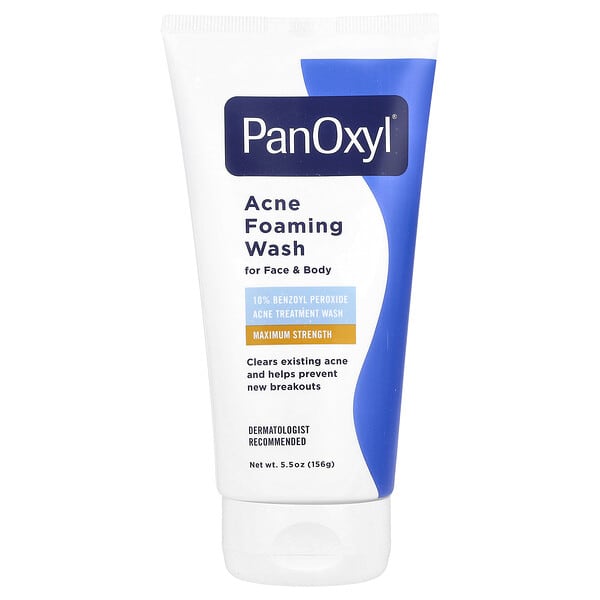
This is a strong option for people who deal with frequent inflamed pimples rather than just oiliness or blackheads. The iHerb product page describes it as a 10% benzoyl peroxide acne treatment wash that helps clear existing acne and prevent new breakouts. That makes it one of the more intensive options in a routine. Because benzoyl peroxide can be drying, it’s best introduced slowly and followed by moisturizer. It can also bleach fabrics, so rinse well and use white towels if needed.
Best for: moderate breakouts, chest/back acne, oily acne-prone skin
Pros: strong acne-fighting ingredient, helps reduce inflamed pimples, easy wash-off format
Cons: may be drying or irritating for sensitive skin
2. Best Lightweight Serum for Oil Control
Advanced Clinicals 5% Niacinamide Serum
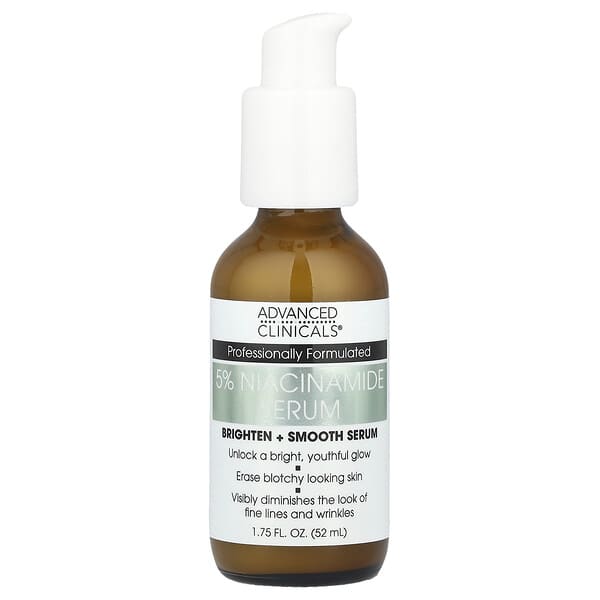
This serum is currently listed through iHerb in product results, making it a practical option for an oily-skin routine. A niacinamide serum can fit nicely in the morning or evening, especially if your goal is to reduce the appearance of excess oil and support calmer-looking skin without heavy texture.
Best for: oily skin, enlarged-looking pores, mild acne-prone skin
Pros: lightweight step, easy to layer, useful for balancing oily skin
Cons: not a direct acne medication like benzoyl peroxide
3. Best Spot Care for Active Pimples
COSRX Acne Pimple Master Patch
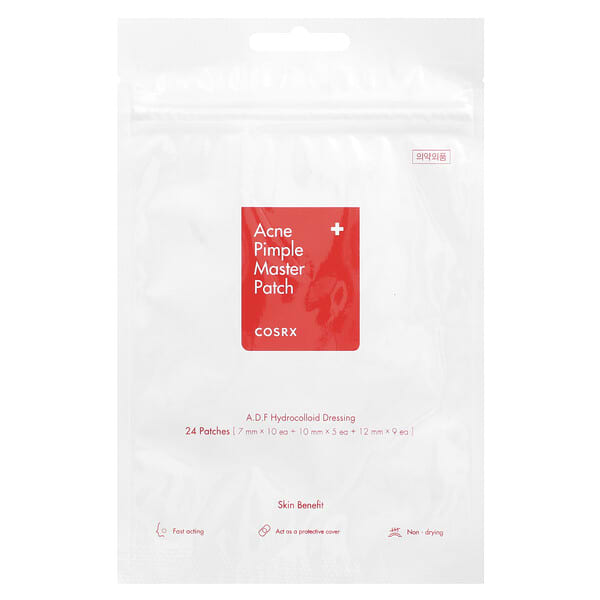
Hydrocolloid patches are one of the easiest ways to manage individual pimples without overdoing your routine. The iHerb product page says this patch absorbs oils and impurities while creating a barrier that helps protect the breakout from outside irritation. That is especially helpful if you touch or pick at pimples. User review summaries on iHerb also describe overnight improvement in swelling and size for many buyers.
Best for: whiteheads, popped pimples, overnight spot care
Pros: easy to use, protects skin, can reduce picking
Cons: not a full-face treatment for recurring acne
Pricing: varies on iHerb
4. Best Sunscreen Step to Keep in the Routine
Eucerin, Clear Skin, Lightweight Sunscreen Lotion for Face, SPF 50
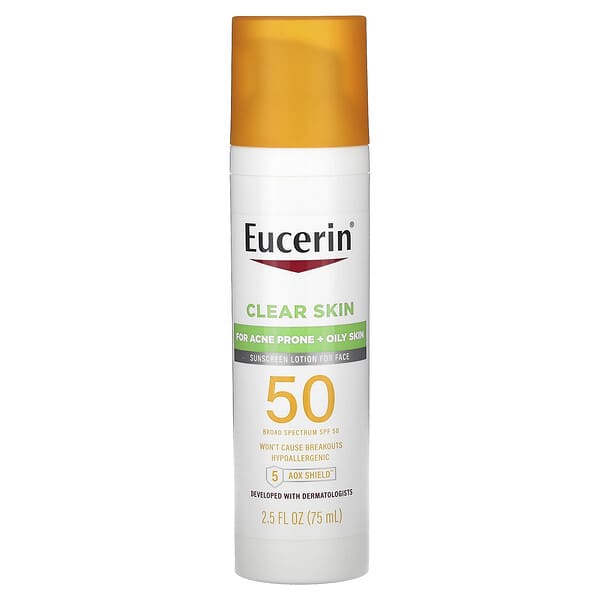
UVA/UVB sun protection plus an Advanced Antioxidant Complex, 5 AOX Shield,™ that goes beyond neutralizing to also guard from free radicals and helps support skin health.
The formula with Oil Absorbing Minerals has clinically proven efficacy. Suitable for use on oily and acne-prone skin.
For Acne Prone + Oily Skin
Broad Spectrum SPF 50
Won’t Cause Breakouts
5. Best Support Serum Option
Beauty of Joseon Glow Serum: Propolis + Niacinamide
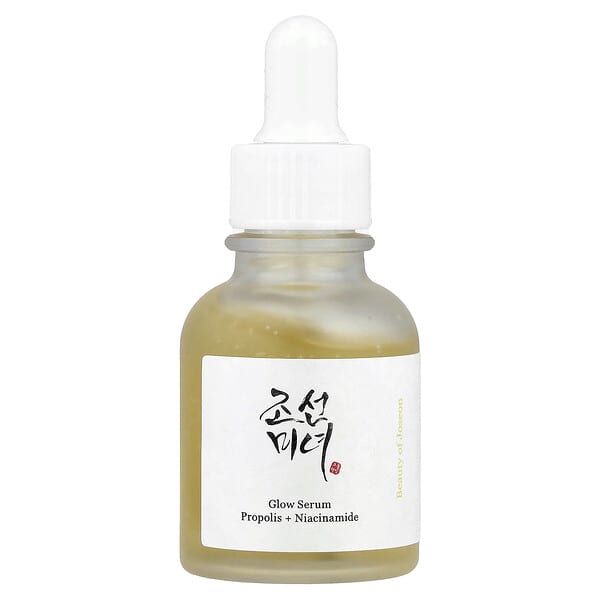
This is another serum option sometimes chosen by people who want a lightweight formula with niacinamide in their routine. It is not a direct acne drug, but it can fit into a routine focused on oil balance and overall skin appearance. It makes the most sense for users with mild acne, post-breakout care, or those who want a gentler serum next to a stronger cleanser.
Best for: mild acne-prone skin, oily-combination skin
Pros: lightweight, easy to pair with cleanser and moisturizer
Cons: may not be enough alone for stubborn acne
Pricing: varies by seller and availability
Comparison Table
| Product | Category | Key Ingredient | Best For | Pros | Cons |
|---|---|---|---|---|---|
| PanOxyl Acne Foaming Wash | Cleanser | 10% Benzoyl Peroxide | Inflamed acne, oily skin, body acne | Strong acne treatment, wash-off format | Can be drying |
| Advanced Clinicals 5% Niacinamide Serum | Serum | Niacinamide | Oil control, mild acne-prone skin | Lightweight, easy to layer | Not a direct acne medication |
| COSRX Acne Pimple Master Patch | Spot Treatment | Hydrocolloid | Active pimples | Protects blemishes, reduces picking | Not for full-face acne |
| Eucerin | Sunscreen | SPF 50+ | Daily acne-safe sun protection | Popular finish, no white cast | May feel dewy on very oily skin |
| Beauty of Joseon Glow Serum | Serum | Propolis + Niacinamide | Mild acne, post-breakout support | Gentle, lightweight | Less targeted than acne actives |
How to Build the Best Routine From These Products
If your main problem is oily skin with clogged pores and occasional pimples, start with a salicylic-acid-style cleanser, add a niacinamide serum, use a light moisturizer, and wear sunscreen every morning. If your main problem is red inflamed breakouts, PanOxyl may work better as your main acne wash, but use it carefully because stronger benzoyl peroxide formulas can be irritating. Hydrocolloid patches are best kept as an extra step for individual pimples rather than used as your main treatment.
The biggest mistake is using too many actives at once. Oily skin still needs moisture. A stripped-out routine can leave your skin irritated, flaky, and reactive. In many cases, a simple 3-to-5-step routine performs better than a complicated 10-step routine.
Important Tips for Treating Acne on Oily Skin
Wash your face twice a day, but do not scrub aggressively. Use blotting paper if needed during the day instead of repeatedly overwashing. Introduce strong products slowly, especially benzoyl peroxide. Keep your pillowcases clean, avoid picking pimples, and stay consistent for several weeks before judging results. Mild acne often improves with over-the-counter ingredients like salicylic acid or benzoyl peroxide, but severe, cystic, or scarring acne should be evaluated by a dermatologist.
Final Thoughts
The best way to treat acne on oily skin is not to attack your face with the strongest products possible. It is to use the right ingredients in the right order: a cleanser that helps with clogged pores or inflamed acne, a lightweight balancing serum, a non-greasy moisturizer, sunscreen every day, and spot care when needed. From current iHerb listings and pages, PanOxyl Acne Foaming Wash, Advanced Clinicals 5% Niacinamide Serum, and COSRX Acne Pimple Master Patch stand out as practical options for oily, acne-prone skin routines.
If your breakouts are painful, deep, leave marks easily, or do not improve after a steady routine, the next step should be professional advice from a dermatologist.
Best Collagen Peptides Powder on iHerb (Top 7 Picks)
FAQ Section
What is the best ingredient for acne on oily skin?
Salicylic acid is one of the best starting ingredients because it helps unclog pores and exfoliate oily skin. For more inflamed acne, benzoyl peroxide is also very effective.
Should oily acne-prone skin use moisturizer?
Yes. Skipping moisturizer can make skin feel irritated and may worsen imbalance. A lightweight, oil-free moisturizer is usually the best choice.
Are pimple patches actually useful?
Yes, especially for individual active pimples. Hydrocolloid patches can absorb impurities and protect the breakout from irritation and picking.
Is sunscreen necessary if I have oily skin?
Yes. Sunscreen is important for all skin types, including oily skin, especially when using acne products that can irritate or sensitize the skin.
How long does it take to see improvement?
Most acne routines need several weeks of consistent use before you can judge results properly. Switching products too quickly often makes it harder to know what is working.