
Evidence-Based Supplements for Muscle & Strength: What Works (and What to Skip)
:max_bytes(150000):strip_icc()/Health-GettyImages-1091258680-37fd48a72bf341599d1c1536ff223c5e.jpg)
Updated: 2025
Disclosure: Some links on this site may be affiliate links. If you buy through them, we may earn a commission at no extra cost to you.
Medical disclaimer: This article is for educational purposes only and does not replace medical advice. If you have a medical condition, take medications, or are pregnant/nursing, speak with a qualified clinician before using supplements.
Quick Answer (TL;DR)
If you want the shortest path to results, focus on the basics first:
Most useful for most people
- Whey protein (or any quality protein powder) — helps you hit daily protein
- Creatine monohydrate — supports strength, power, and training performance
- Caffeine (optional) — improves workout performance for many users
Useful depending on diet/goal
- Omega-3 (if you rarely eat fatty fish)
- Electrolytes (if you sweat a lot, train in heat, or do long sessions)
- Magnesium (if your intake is low or you’re optimizing a sleep routine)
Usually not worth it
- “Testosterone boosters” with vague blends
- Mega-stacks with dozens of underdosed ingredients
- Anything promising “fast muscle gain without training”
The Foundation Comes First
Supplements can help, but they don’t replace:
- A progressive training plan
- Enough calories (for gaining)
- Enough protein
- Consistent sleep and recovery
If those are not in place, even “good” supplements won’t do much.
How We Evaluate Supplements (SuppSift Criteria)
We rank supplements using simple, real-world criteria:
- Evidence strength: do we see consistent results in real humans?
- Clear dosing: can you actually get an effective dose per serving?
- Safety basics: reasonable use for healthy adults, with common-sense warnings
- Practicality: easy to take consistently (mixing, timing, taste)
- Value: cost per effective dose
Tier 1: Best Evidence (Most People Benefit)
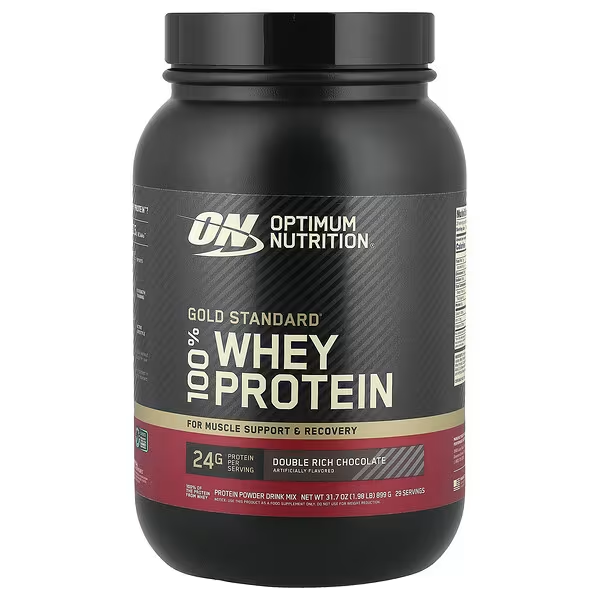
Why it works: Many people simply don’t hit their daily protein target. Protein powder is an easy tool to close that gap.
Who it’s best for
- Busy schedules
- People struggling to eat enough protein
- Anyone wanting a simple post-workout option
How to use (practical)
- Use protein powder to help reach your daily target
- Timing matters less than daily total for most people
- Pick a product you digest well and can afford long-term
What to look for
- Clear protein grams per serving
- Reasonable ingredient list
- A taste you’ll actually stick with
👉 Internal link: Best Whey Protein Powder
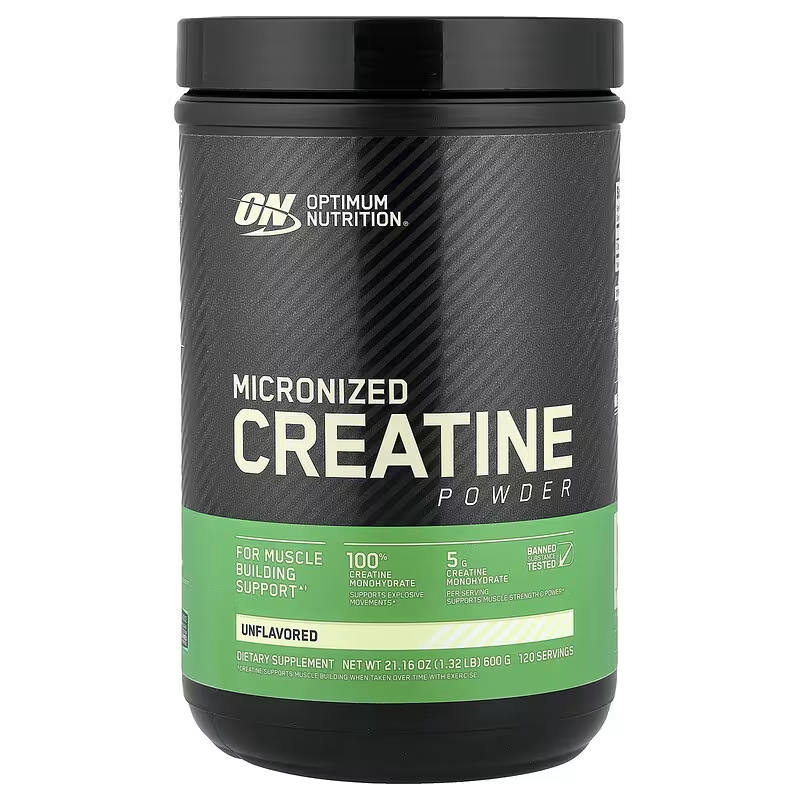
Why it works: Creatine supports high-intensity performance and helps many people train harder over time—especially for strength/power work.
Who it’s best for
- Lifters focused on strength and size
- Sports involving short bursts (sprints, heavy sets)
How to use (practical)
- Consistency beats timing
- Many people take a small daily dose; “loading” is optional
- Drink enough water and train consistently
What to look for
- 100% creatine monohydrate
- Minimal additives (especially unflavored)
👉 Internal link: Best Creatine Monohydrate Supplements
3) Caffeine (Optional, but Powerful)
Why it works: Caffeine can improve training performance, focus, and perceived effort for many users.
Best for
- Early-morning training
- Higher-energy sessions (heavy days, conditioning)
Things to consider
- Can disrupt sleep (sleep matters more than a “good pre-workout”)
- Tolerance builds if you take it constantly
- Anxiety-sensitive users may prefer lower doses
Simple approach
- Use it strategically (hard sessions), not all day every day
Tier 2: Useful Depending on Diet, Training, or Lifestyle
4) Omega-3 (If Your Diet Is Low in Fatty Fish)
Omega-3 supplements can be useful if you rarely eat salmon/sardines/mackerel and want a consistent intake.
Best for
- People who don’t eat fatty fish
- Those who want a simple “diet insurance” option
What to look for
- Clear labeling of EPA + DHA amounts
- Quality-focused brands and clean labeling
👉 Internal link idea: later you can publish Best Omega-3 on iHerb and link it here.
5) Electrolytes (Heat, Heavy Sweating, Long Sessions)
Electrolytes are most useful when:
- You sweat heavily
- You train in hot weather
- You do long sessions (endurance, long matches, long hikes)
Simple rule
- Short normal gym sessions: water + meals are often enough
- Long/hot/heavy sweat: electrolytes can make a noticeable difference
👉 Internal link: Best Electrolyte Powder (if/when you publish it)
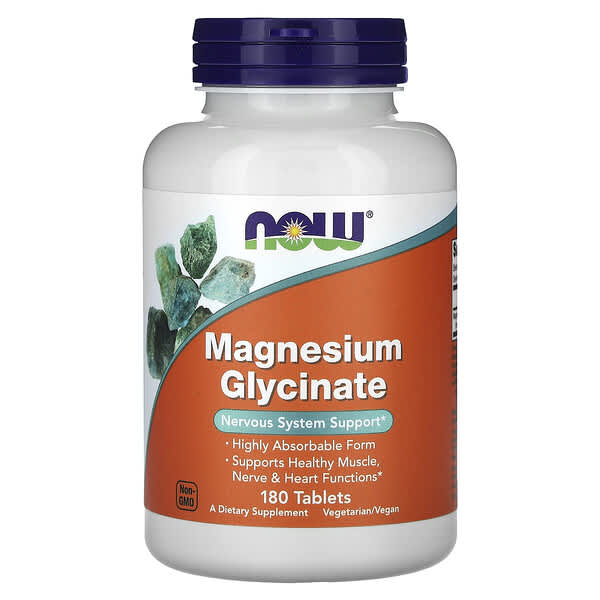
Magnesium isn’t a “muscle builder,” but it can be a useful supplement when dietary intake is low—often tied to general recovery habits and sleep routines.
Best for
- People with low magnesium intake (diet is limited, low greens/nuts/whole foods)
- Users building a “sleep routine stack” (simple, not extreme)
What to look for
- Clear dose and form on label
- Avoid mega-doses without reason
👉 Internal link: your Magnesium article
Tier 3: “Maybe” Supplements (Context Matters)
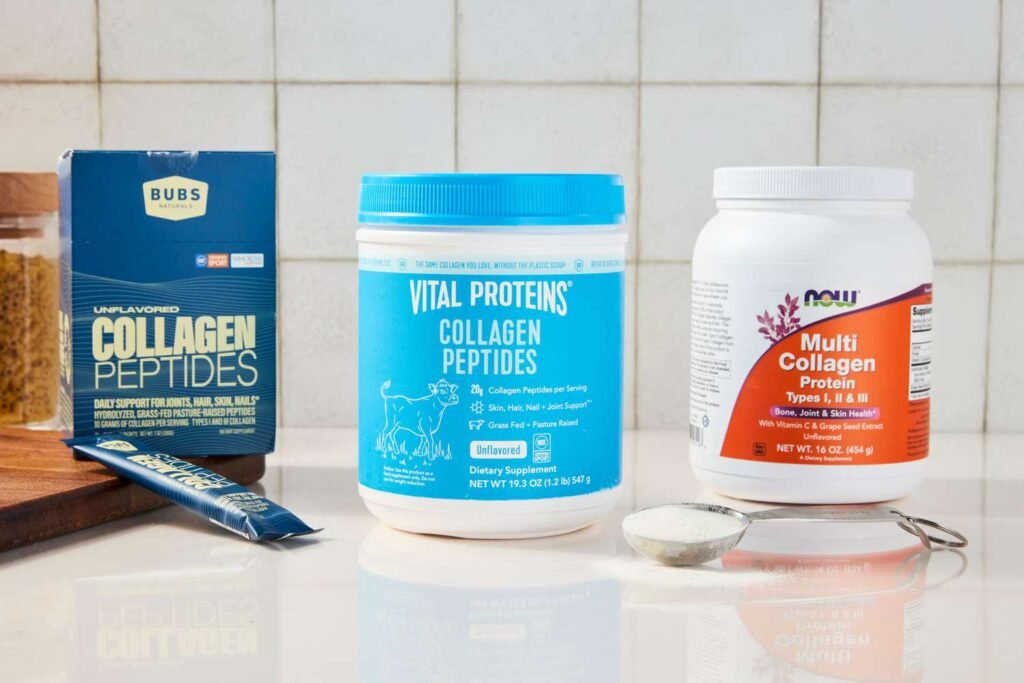
Collagen is popular because it’s easy to use daily. Many people take it as part of a routine (coffee/smoothies). It’s not a “muscle supplement,” but it can fit into broader wellness routines.
Best for
- People who will take it consistently
- Those looking for a simple daily add-on
👉 Internal link: Best Collagen Peptides Powder on iHerb
8) Beta-Alanine (Performance-Focused Users)
Often used for higher-rep training or endurance-like intervals. Some users notice better “work capacity” over time.
Things to consider
- Tingling sensation is common
- Benefits are more noticeable in specific training styles
9) Citrulline Malate (Pump/Performance)
Often used pre-workout for pumps and training feel. Results vary by person and product dosing.
Tip
- Many blends underdose it—single-ingredient options can be easier to dose properly.
Supplements That Are Usually Overhyped (Be Careful)
These are common red flags:
- Proprietary blends that hide exact dosages
- Products promising “anabolic results” without training
- “Test boosters” that rely on marketing more than clear dosing
- Anything that sounds too good to be true
Safer move: spend your budget on protein quality, creatine, and consistent training.
Simple Supplement Stacks (Practical Examples)
Beginner Stack (Simple & Effective)
- Whey protein (to hit daily protein)
- Creatine monohydrate (daily)
- Optional: caffeine (only before harder sessions)
Muscle Gain Stack (Training + Food First)
- Whey protein (if needed)
- Creatine
- Optional: citrulline or caffeine (performance days)
Cutting Stack (Keep It Minimal)
- Whey isolate (if it helps you hit protein while cutting calories)
- Creatine (many keep it year-round)
- Electrolytes (especially if dieting + sweating a lot)
Heat / Sweat Stack
- Electrolytes (purpose-driven)
- Protein + creatine as usual
FAQ
What are the best supplements for muscle growth?
For most people: protein powder (if needed) and creatine monohydrate are the most practical starting points.
Do supplements replace a good diet?
No. Supplements help fill gaps. Training, protein intake, and recovery drive the results.
Is creatine safe for daily use?
Many healthy adults use it daily. If you have medical conditions or take medications, talk to a clinician first.
Whey isolate or concentrate—what should I choose?
Choose what you digest well and can afford. Isolate is typically “leaner,” concentrate is often cheaper.
Do I need electrolytes for normal gym workouts?
Often no. They’re most helpful for long sessions, heat, or heavy sweating.
Should I take many supplements at once?
Start with the basics first. More products doesn’t automatically mean better results.
What’s the biggest supplement mistake beginners make?
Buying complex stacks before building consistent training, protein intake, and sleep.
How can I avoid wasting money?
Choose products with clear dosing, simple labels, and a reason to use them.
Bottom Line
If you want to build muscle and strength, supplements are tools—not magic. Start with the few that consistently help most people:
- Whey protein (if you struggle to hit daily protein)
- Creatine monohydrate (performance + strength support)
- Caffeine (optional, used strategically)
Then add “conditional” tools like omega-3, electrolytes, magnesium, or collagen based on your diet and routine.
Next steps on SuppSift:
- 👉 Best Whey Protein Powder
- 👉 Best Creatine Monohydrate
- 👉 Best Collagen Peptides on iHerb
- 👉 Reviews / Start Here

iHerb Coupon 15% Off for New Customers: How to Use
iHerb Coupon 15% Off for New Customers: How to Use the Code If you are shopping on iHerb for the first…


Best Vitamin C Serums for Brighter, Smoother Skin in 2026
Best vitamin C serum for glowing skin, Smoother Skin in 2026 Vitamin C remains one of the most popular skincare ingredients…

Best iHerb Products for Glowing Skin in 2026
Best iHerb Products for Glowing Skin in 2026 Glowing skin usually comes from a few simple things done consistently: hydration, gentle…

How to Treat Acne on Oily Skin: Best Routine +
How to Treat Acne on Oily Skin: Best Routine + Best iHerb Products If you have oily skin, acne can feel…
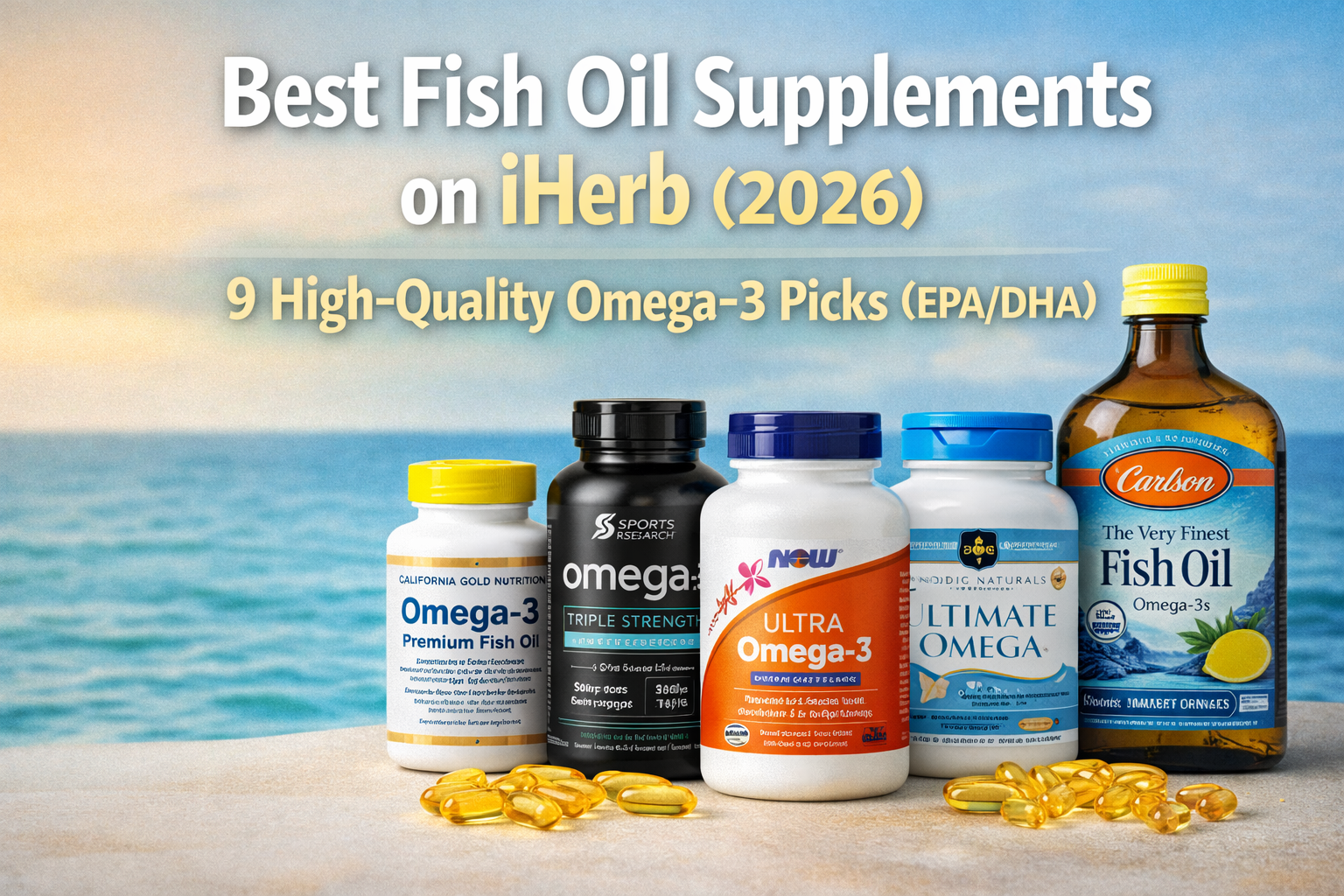
Best Fish Oil Supplements on iHerb (2026): 9 Omega-3 Picks
Best Fish Oil Supplements on iHerb (2026): 9 Omega-3 Picks That Are Worth Buying If you’re shopping for the best fish…
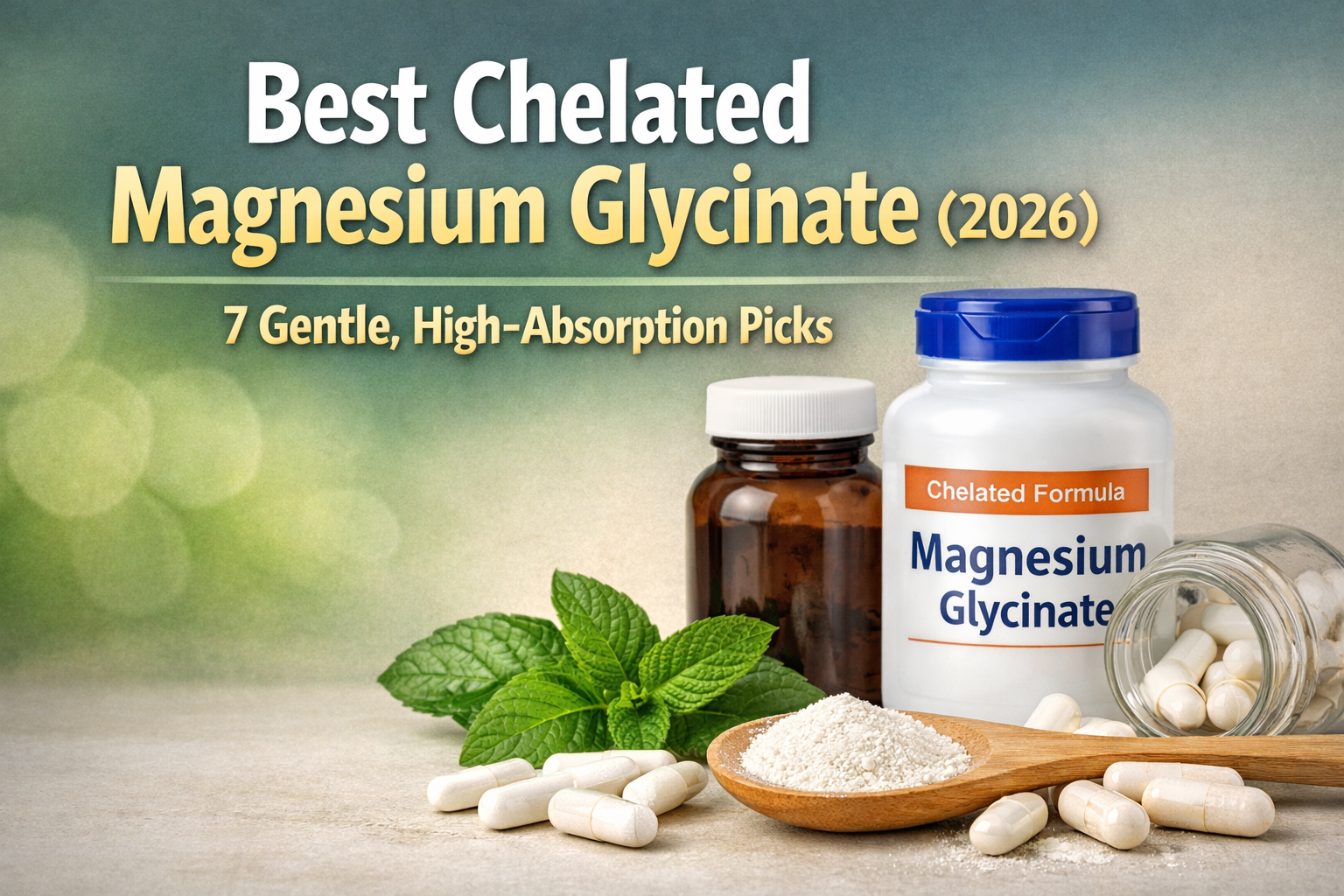
Best Chelated Magnesium Glycinate (2026): 7 Gentle, High-Absorption Picks
Best Chelated Magnesium Glycinate (2026): 7 Gentle, High-Absorption Picks Chelated magnesium glycinate (often labeled magnesium glycinate or magnesium bisglycinate) is one…