
Protein Supplements for Women: How to Choose the Right One (Without Wasting Money)
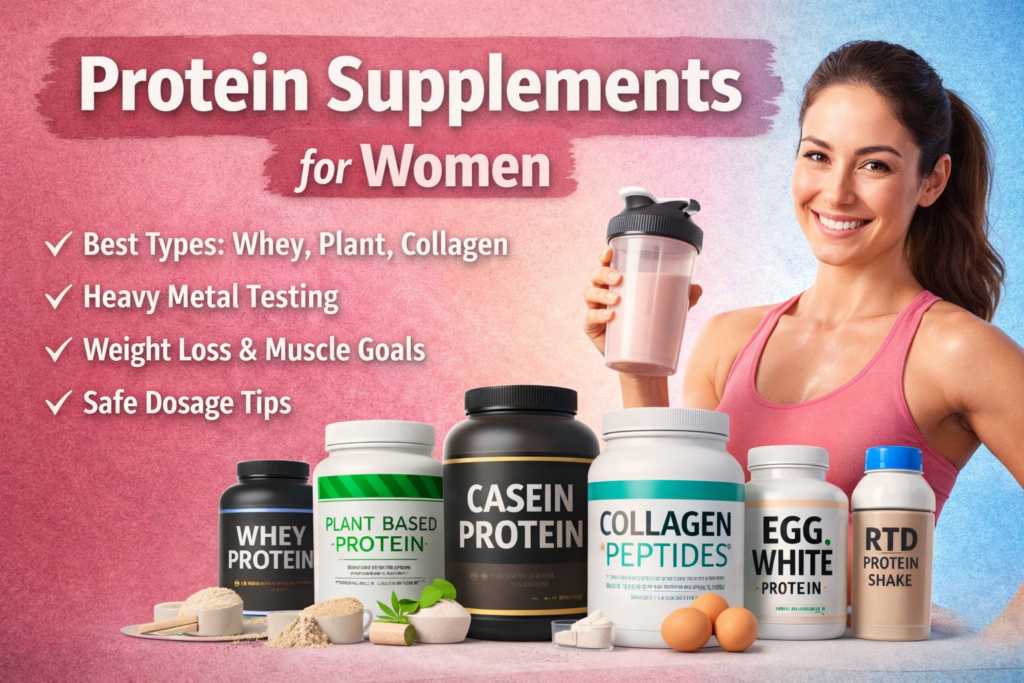
Protein supplements are everywhere—shakes, powders, bars, “beauty proteins,” and ready-to-drink bottles that promise better energy, lean muscle, and fat loss. For many women, protein supplements can be genuinely helpful—especially if you’re busy, training, trying to hit a daily protein target, or struggling to get enough protein from meals.
But here’s the truth: the “best” protein supplement depends on your goal (muscle, weight loss, satiety, postpartum recovery, convenience), your digestion, and how safely the product is made.
Also, protein powder isn’t automatically “clean.” Some testing and reports have found contaminants like heavy metals in certain products, which is why choosing reputable brands and third-party testing matters.
This guide will walk you through:
- how much protein women actually need,
- which protein types are best (whey vs plant vs collagen vs casein),
- what to look for on labels,
- and how to pick safer options.
Best Whey Protein Powder (Top Picks)
How Much Protein Do Women Need?
Baseline (general health)
For healthy adults with minimal activity, the commonly cited baseline is 0.8 g protein per kg of body weight per day.
That’s a minimum baseline—not necessarily a “performance” target.
Example:
A 65 kg woman → 65 × 0.8 = 52 g/day
Active women (gym, running, strength training)
For people who exercise regularly, research position stands commonly cite 1.4–2.0 g/kg/day as a useful range for most exercising individuals.
Example:
65 kg × 1.6 = 104 g/day
Pregnancy (special case)
Protein needs increase during pregnancy. One medical review describes pregnancy protein needs around 60 g/day (and ~1.1 g/kg/day) compared with lower needs in non-pregnant states.
Practical tip: if you’re pregnant, breastfeeding, have kidney issues, or take medications that interact with supplements, get personalized advice from your clinician.
When Protein Supplements Make the Most Sense for Women
Protein supplements can be especially useful if you:
- struggle to reach your daily protein target from food,
- are strength training and want better muscle maintenance,
- want a convenient high-protein breakfast,
- are dieting and want a more filling snack,
- travel often or have appetite issues,
- need a lactose-free or plant-based alternative.
If you already get enough protein from meals, you may not need supplements at all—whole foods can do the job.
Quick Comparison Table: Best Protein Types for Women
| Protein Type | Best For | Typical Pros | Common Cons |
|---|---|---|---|
| Whey (Concentrate/Isolate) | Muscle + recovery | High-quality amino acids; convenient | Dairy-based; may bother lactose-sensitive |
| Casein | Nighttime satiety | Slow-digesting | Dairy-based; thicker texture |
| Plant Blend (Pea + Rice) | Vegan + dairy-free | Allergy-friendly; good blend balances amino acids | Texture/taste varies |
| Egg White | Dairy-free muscle support | Complete protein | Not vegan; taste can be “eggy” |
| Collagen Peptides | Skin/joints support | Mixes easily | Not a complete protein (not ideal as your only protein source) |
| RTD Shakes | Convenience | Grab-and-go | Often more expensive; additives vary |
The “Programs” (Best Protein Supplement Options for Women)
Below are the main “protein supplement programs” you can recommend or compare in an affiliate post. Each section includes: Overview / Features / Pros / Cons / Pricing / Best for.
1) Whey Protein (Concentrate & Isolate)

Overview
Whey is one of the most popular proteins for muscle support because it’s a high-quality, complete protein (contains all essential amino acids). It’s commonly used around workouts or as a quick breakfast shake.
Features
- Fast-digesting
- Comes as concentrate (usually cheaper) or isolate (often lower lactose)
Pros
- Great for strength training routines
- Usually mixes well and tastes good
- Easy way to increase daily protein
Cons
- Dairy-based (may not work for lactose-sensitive users)
- Quality varies between brands (testing/contaminants matter)
Pricing
Typically mid-range (isolate is often more expensive than concentrate).
Best For
Women focused on muscle gain, body recomposition, and workout recovery.
2) Casein Protein (Slow-Release)

Overview
Casein is a milk protein that digests more slowly than whey. Many people use it in the evening or between meals for satiety.
Features
- Thicker texture
- Often used as “bedtime protein”
Pros
- Can help you feel full longer
- Useful if you struggle with late-night hunger
Cons
- Dairy-based
- Texture isn’t for everyone
Pricing
Usually similar to whey or slightly higher depending on brand.
Best For
Women who want a slow-digesting protein for satiety.
3) Plant-Based Protein Blends (Pea + Rice, etc.)
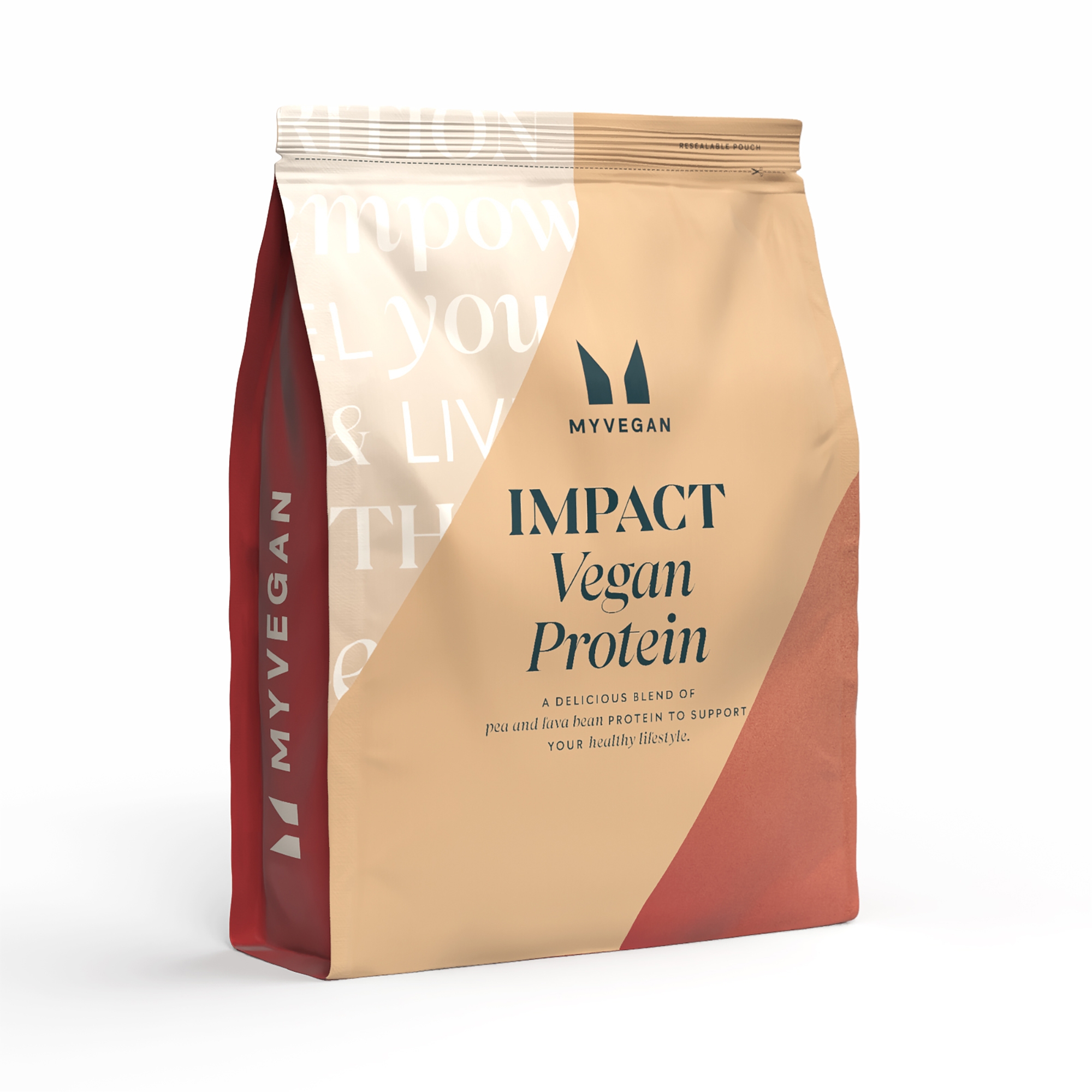
Overview
Plant proteins are ideal for vegan diets or women who avoid dairy. A blend (like pea + rice) is popular because it can improve the overall amino acid profile compared to single-source powders.
Features
- Dairy-free
- Often includes added fiber or digestive enzymes (varies)
Pros
- Friendly for dairy intolerance
- Great for vegan or plant-forward diets
Cons
- Taste/texture varies widely by brand
- Some formulas add lots of gums/sweeteners—read labels carefully
Pricing
Ranges from budget to premium.
Best For
Women who want vegan, dairy-free, or gentler digestion options.
4) Egg White Protein
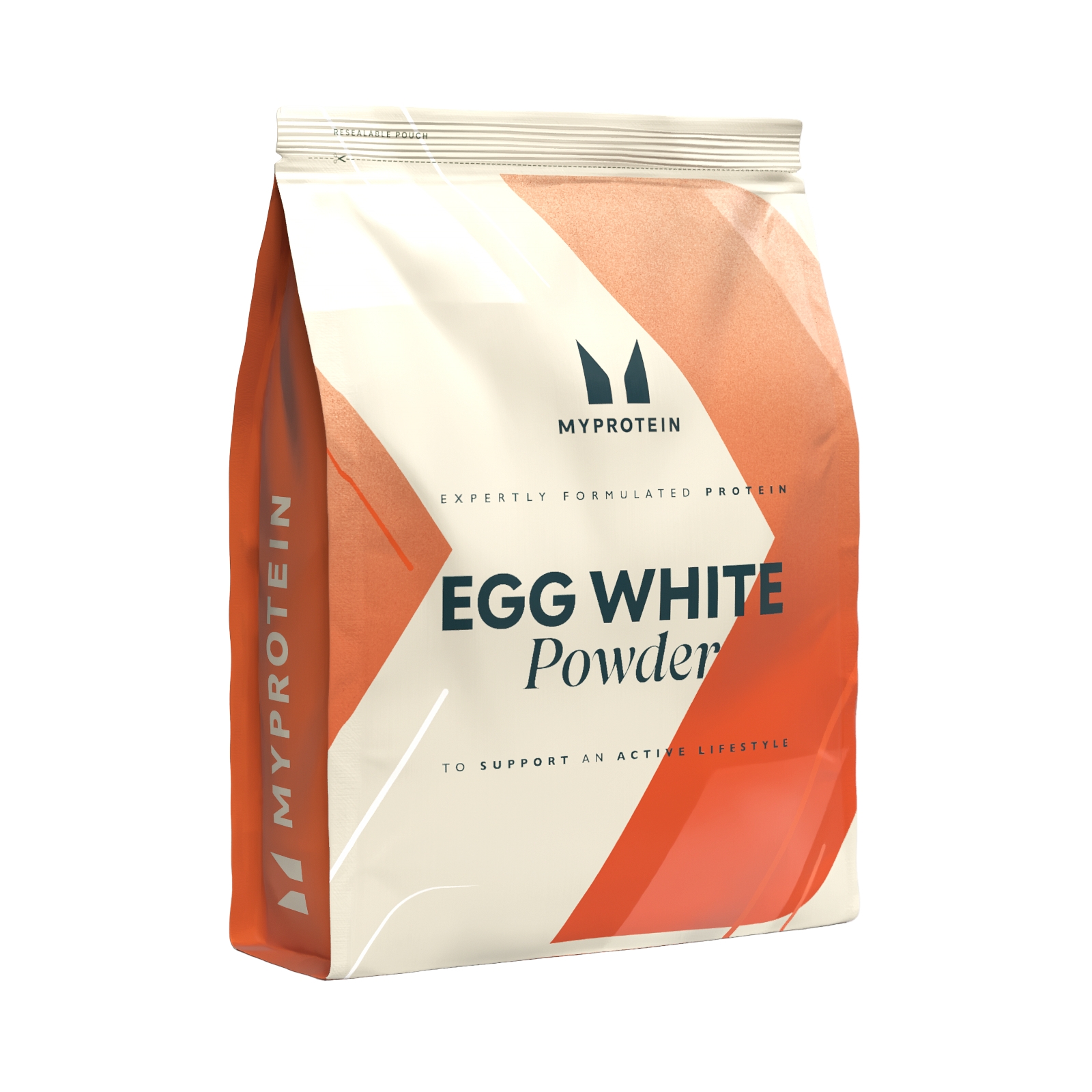
Overview
Egg white protein is a complete protein and a common alternative for those avoiding dairy but not avoiding animal products.
Features
- Complete amino acid profile
- Often low fat/carb
Pros
- Useful for muscle support without whey
- Typically mixes better than some plant powders
Cons
- Not vegan
- Flavor can be noticeable
Pricing
Often mid to premium.
Best For
Women who want dairy-free but still want a complete protein.
5) Collagen Peptides (Beauty Protein—With a Catch)
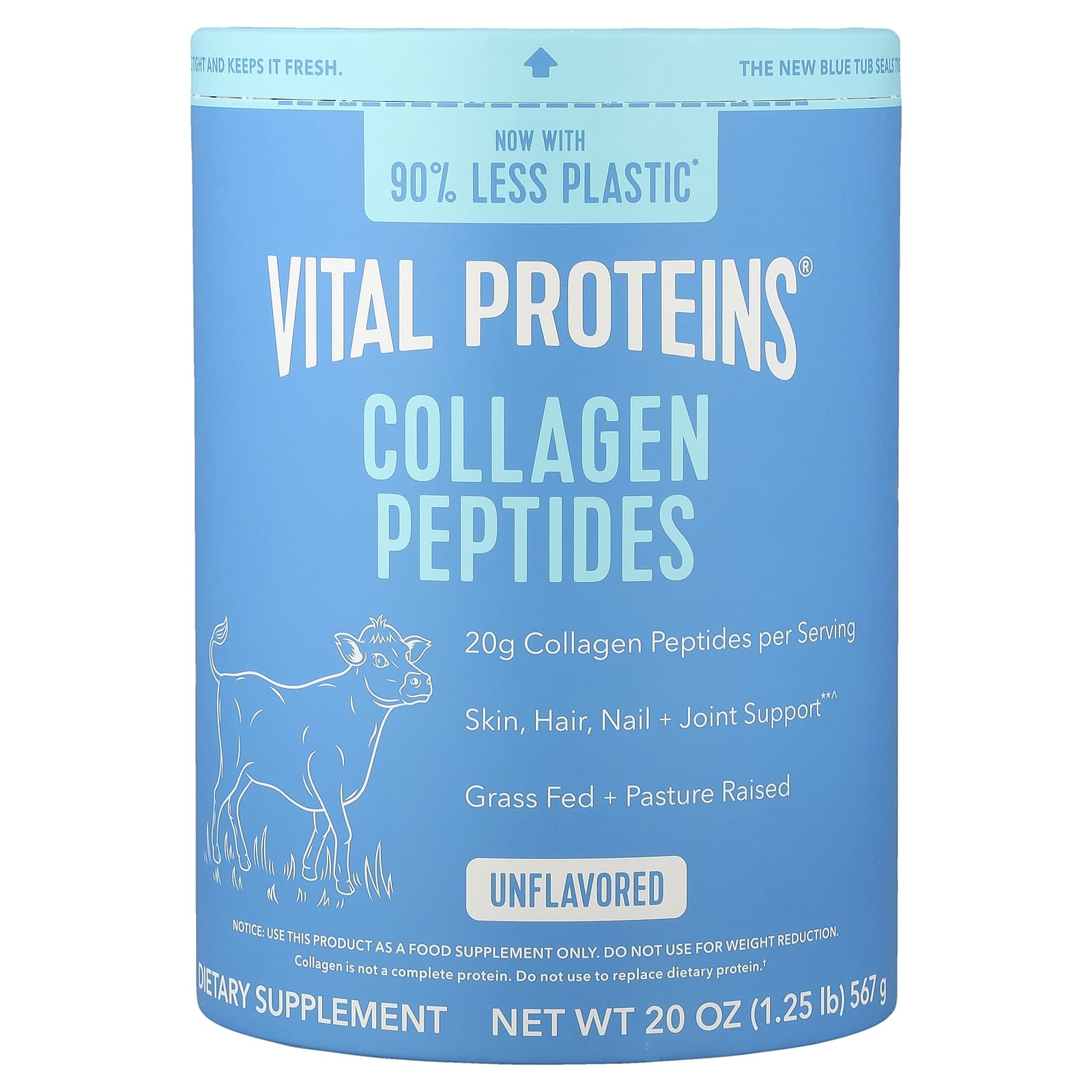
Overview
Collagen is heavily marketed to women for hair/skin/nails. It can be a convenient protein addition, but it’s important to know: collagen is not a complete protein (it doesn’t provide the full essential amino acid profile needed for muscle protein goals).
Features
- Often unflavored and dissolves easily in coffee/soups
- Marketed for beauty/joints
Pros
- Very easy to use daily
- Works well as an “add-on” protein
Cons
- Not ideal as your only protein supplement for muscle-building goals
Pricing
Often mid-range.
Best For
Women who want a daily add-on and already get complete proteins elsewhere.
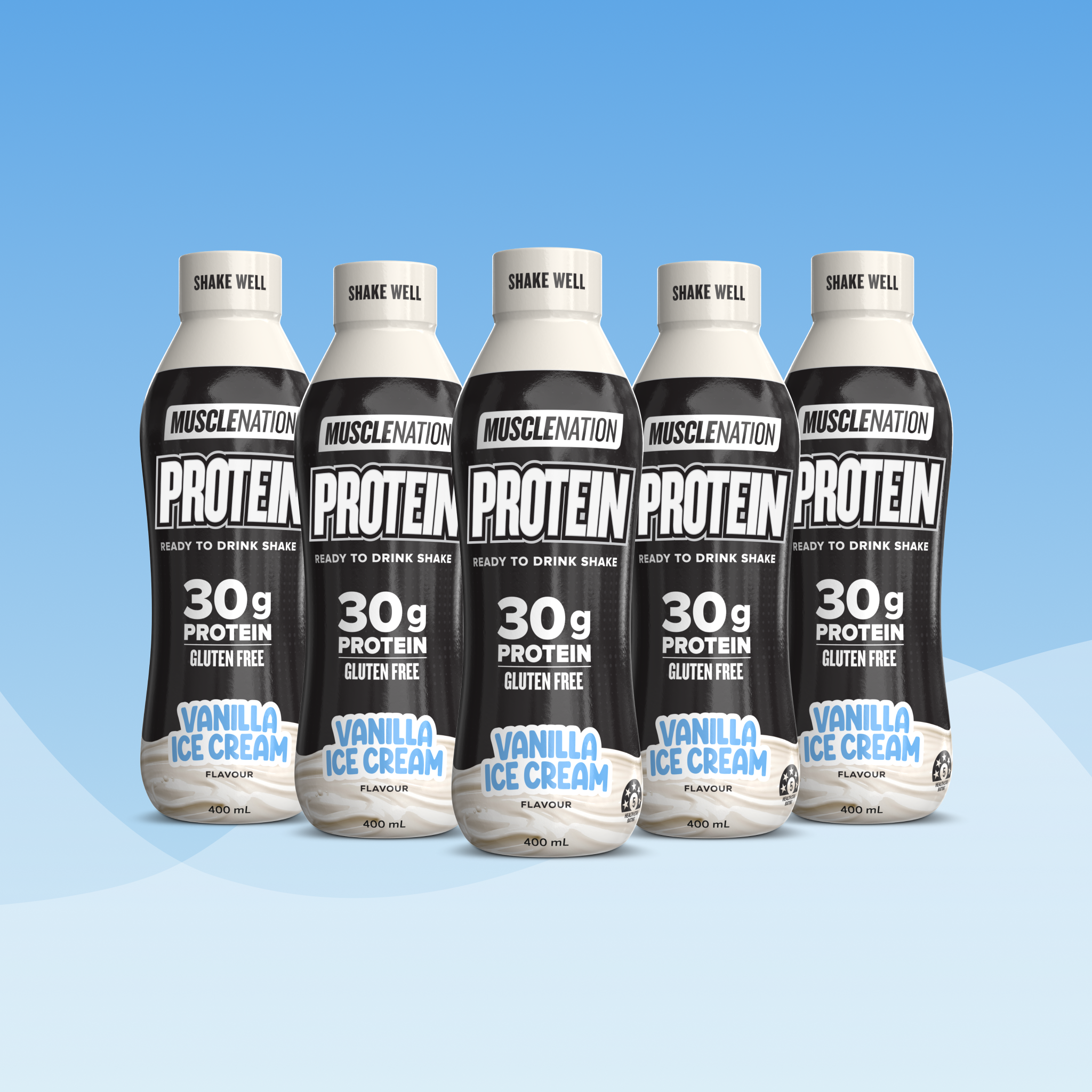
6) Ready-to-Drink (RTD) Protein Shakes
Overview
The most convenient option—open and drink. Great for travel, work, and days when you’re not in the mood to blend.
Features
- Shelf-stable or refrigerated
- Often includes vitamins, fiber, or coffee/caffeine (varies)
Pros
- Maximum convenience
- Easy consistent habit
Cons
- Can be expensive per serving
- Additives and sweeteners vary brand to brand
Pricing
Usually premium compared to powders.
Best For
Women who prioritize convenience over cost.
Safety & Quality: How to Choose “Safer” Protein Powders
This section is crucial for trust (and conversions).
Harvard Health has discussed concerns about contaminants (including heavy metals) found in some protein powders, and Consumer Reports recently tested popular products and reported high lead levels in many.
Label & brand checklist
- Prefer brands with third-party testing (certificate of analysis / published lab tests)
- Look for recognized certifications like NSF Certified for Sport / Informed Choice (especially if you compete in sport)
- Avoid mega-doses: you don’t need 4–5 shakes daily
- Check allergens (dairy, soy) and sugar alcohols if you’re sensitive
Internal Links :
Best Magnesium on iHerb (Best Magnesium Glycinate on iHerb (2026): Top Picks for Sleep, Stress & Muscle Recovery)
Vitamin D3 + K2 Side Effects (Vitamin D3 + K2 Side Effects: Symptoms, Safety Tips & Who Should Avoid It)
Best Probiotics on iHerb (Best Probiotics on iHerb (2026): Top Picks for Gut Health, Bloating & Travel)
Dosage: How Much Protein Powder Should Women Take?
A simple approach:
- Calculate your daily target (baseline 0.8 g/kg; active 1.4–2.0 g/kg).
- Use protein powder only to fill gaps.
Common use: 1 scoop per day (often ~20–30 g protein) + whole-food protein meals.
If you’re dieting or training hard, splitting protein across meals tends to feel better than loading it all in one shake.
Internal Link Suggestions (Natural placements on your site)
Add links inside sentences like these:
- In the “How much protein” section: link to your post “How Much Protein Do You Need Per Day?”
- In whey section: link to “Whey Protein Isolate vs Concentrate”
- In plant section: link to “Best Vegan Protein Powders (Pea vs Rice vs Blend)”
- In safety section: link to “How to Choose Third-Party Tested Supplements”
- In collagen section: link to “Collagen Peptides Benefits: Skin vs Joints vs Muscle”
(If these pages don’t exist yet, they’re perfect cluster articles to build topical authority.)
FAQ ?
Q1: What is the best protein supplement for women?
A: It depends on your goal and digestion. Whey is popular for muscle and recovery, plant blends are great for dairy-free needs, and collagen works best as an add-on—not a complete replacement.
Q2: Is whey protein safe for women?
A: For most healthy adults, whey protein is generally used safely as a food supplement. The bigger issue is product quality—choose reputable brands with third-party testing because contaminants have been found in some powders.
Q3: How much protein do women need per day?
A: A common baseline is 0.8 g/kg/day for adults, while active women often do well in higher ranges like 1.4–2.0 g/kg/day depending on training.
Q4: What’s the best protein powder for weight loss for women?
A: The best option is one you can stick to: high protein per serving, minimal added sugar, and a taste you enjoy. Protein can help satiety, which supports calorie control.
Q5: Can pregnant women take protein powder?
A: Protein needs increase in pregnancy, but supplement choices should be discussed with a clinician—especially because contaminant testing and ingredient safety vary by product.